
The American Way of Losing Wars - Blame Our Allies
Time is a Flat Circle
Howdy,
It’s been a busy last few weeks at work and home. My ability to write, as always, is often tempered by that. Accordingly, I’ve indefinitely paused all paid subscriptions. It’ll stay that way. I enjoy writing, but unless I have something unique to say, I hate just pushing out content that’s not worthwhile.
Now, on with the show.
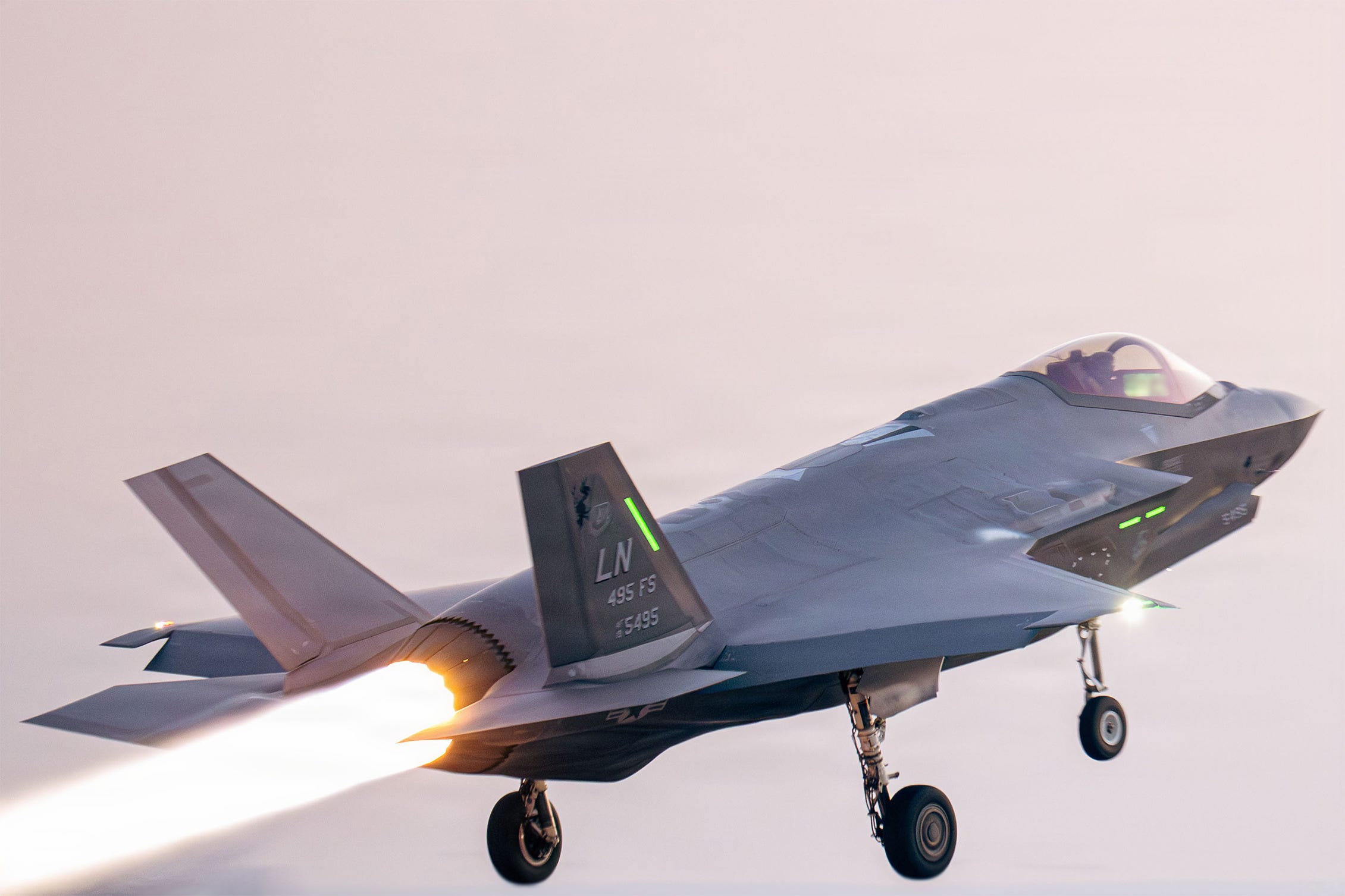
Yesterday, after days of promising the biggest, baddest airstrikes in history, President Trump announced a two-week ceasefire with Iran. Iran, for its part, continued striking regional allies almost immediately, undermining a deal Trump had just framed as a major victory.
It’s hard to say if the ceasefire will last. I have serious doubts. The Iranians still have significant leverage and are unlikely to halt uranium enrichment or their ballistic missile program after enduring more than a month of airstrikes.
Nevertheless, after Trump announced the ceasefire, left-leaning pundits howled about the real culprit in America’s latest lost war: Israel. While it’s true that Israeli Prime Minister Benjamin Netanyahu pitched the war to Trump, in their telling it’s Bibi’s fault for somehow “compelling” the president to agree. Bibi, they say, is corrupt and a warmonger. Trump, in this telling, has no agency—even though he has been an Iran hawk for nearly forty years.
Many on the activist left are also calling for an end to our alliance with Israel. Never mind that they spent the last four weeks taking the brunt of Iran’s retaliation. Never mind that during the Global War on Terror they provided high-quality intelligence in support of two lost wars. Never mind that during the Gulf War they absorbed Iraqi Scud strikes without responding so the United States could maintain its coalition.
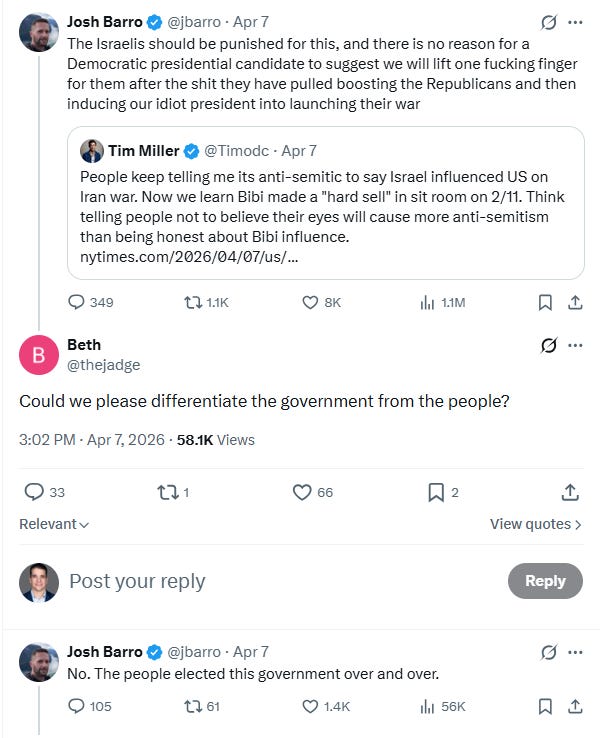
Nope. The Israelis are to blame for a war that somehow failed to plan for the most obvious Iranian move: blocking the Strait of Hormuz.
Not to be outdone, President Trump has taken to blaming NATO for not coming to our aid. Never mind that he never consulted our allies before launching this war. Never mind that he has threatened to invade a NATO country, insulted their war dead in Afghanistan, levied tariffs, and spent years alienating them. Nope. The Europeans are cowards.
Of course, none of this is new. This is the American way of losing wars. We blame others for our own civilian and military failures, ensuring no meaningful reforms are ever enacted and no one is held accountable.
In Ukraine, the Trump administration has spent years haranguing Volodymyr Zelensky. He’s corrupt. He’s ungrateful. Never mind that we pressured Ukraine to give up its nuclear weapons after the fall of the Soviet Union in exchange for security guarantees. Never mind that the Biden administration self-deterred early in the war by withholding weapons that could have imposed real costs on Russia.
In Afghanistan, we blamed the Afghans for losing a war we never managed to win ourselves, despite twenty years on the ground. We said they were corrupt and unwilling to fight, even though 70,000 Afghan soldiers were killed. Never mind that we stabbed our allies in the back with the Doha agreement, releasing 5,000 Taliban prisoners and legitimizing the group. Never mind that we gave Pakistan billions in aid while it provided sanctuary, arms, and support to the Taliban.
In Iraq, President Obama left in 2011 assuring Americans that the Iraqis were ready to defend their country. Then came ISIS, and the Iraqi Army collapsed in northern Iraq. Many blamed the Iraqis for not standing and fighting. We said they were corrupt. We said they wouldn’t fight. Never mind that we built that army. Never mind that analysts warned it wasn’t ready because Prime Minister Nouri al-Maliki, whom we supported, had hollowed it out.
And in Vietnam, we blamed the South Vietnamese for failing to hold off the North. We said they were corrupt. We said they wouldn’t fight. Never mind that we built that army. Never mind that we cut off material support. And when the final offensive came, we refused to provide air support that might have been decisive—a pattern we repeated in Afghanistan during the Taliban’s advance on Kabul.
This doesn’t mean our allies are blameless. Netanyahu has alienated large parts of the American political system. Zelensky could have moved faster on corruption and mobilization. Iraqi and Afghan leaders tolerated corruption, even if we helped fuel it. The same was true in South Vietnam.
But as the United States looks at what may be another lost war, it would be refreshing to look in the mirror and ask why this keeps happening. Instead, we will point fingers at our political opponents and allies—many of whom fought and bled alongside us.
Blaming our allies isn’t just politically convenient—it’s a way to avoid accountability. And as long as we keep doing it, we’ll keep repeating the same mistakes and wondering why we keep losing wars.